Poutini Whānau Reconnecting through Mau Rākau Wānaka
Jul 2, 2026
Across Arahura and Te Tauraka Waka a Māui Marae, Te Whare Pū Rākau o Matamata continues to hold wānaka for Poutini Kāi Tahu whānau.
The kaupapa brings Kāti Waewae and Kāti Māhaki whānau together to reconnect and strengthen intergenerational mātauraka within the unique takiwā of Te Tai o Poutini.
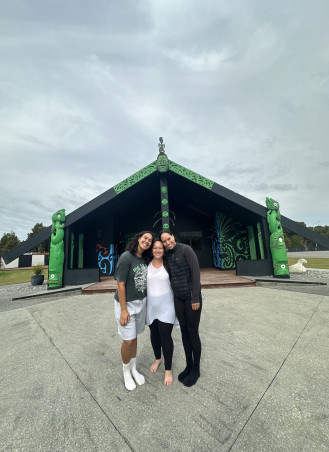 Through the traditional Māori martial arts of Mau Rākau, whānau engage in areas such as whakapapa, pūrākau, te reo Māori, and tikanga, while building confidence in ceremonial practices and deepening their understanding of the roles that help a marae thrive. Kaiwhakahaere/Kaiako, Maia Tonihi, says:
“For us, this kaupapa creates a clear pathway. Tamariki grow up hearing our stories, learning alongside their whānau, and understanding their responsibilities within a marae community.”
From tamariki through to pakeke, everyone has a place, everyone has a role, and everyone has something to contribute.
Maia says that one of the most significant changes seen in whānau who are regularly attending is growing confidence.
“You can sense a pride of belonging and collective growth developing across the whole whānau."
“Whānau are beginning to trust themselves, trust the learning process, and step into roles they may never have imagined for themselves. Through marae-based learning, they are finding their place, building connections, and gaining skills that extend far beyond the wānaka.”
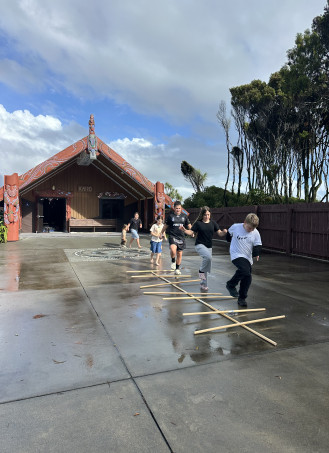
As the kaupapa continues to develop, the aspiration is to create even more opportunities for whānau to reconnect with who they are and where they come from.
The vision includes seeing more whānau confidently participating on the marae, more rangatahi stepping into leadership roles, and stronger pathways into areas such as te reo, Mau Rākau, carving, weaving, rongoā, taiao, and ceremonial practices.
”As whānau continue deepening their learning as an ope, they begin to find their own path, whether that lies on the paepae, as kaikaranga, carvers, weavers, kaiwhakaako, kaitiaki of the taiao, or within countless other spaces,” Maia says.
"Ultimately, we want our people to know that there are many ways to contribute, and every path has value.”
The long-term goal is to normalise these experiences for future generations, embedding a strong and natural sense of belonging.
Everything returns to one purpose: ensuring future generations know who they are, where they belong, and how they can contribute.
 Top
Top