Ka hao te Rakatahi: My kura kaupapa learning journey
Dec 19, 2025

 Ka hao te Rakatahi: My kura kaupapa learning journey
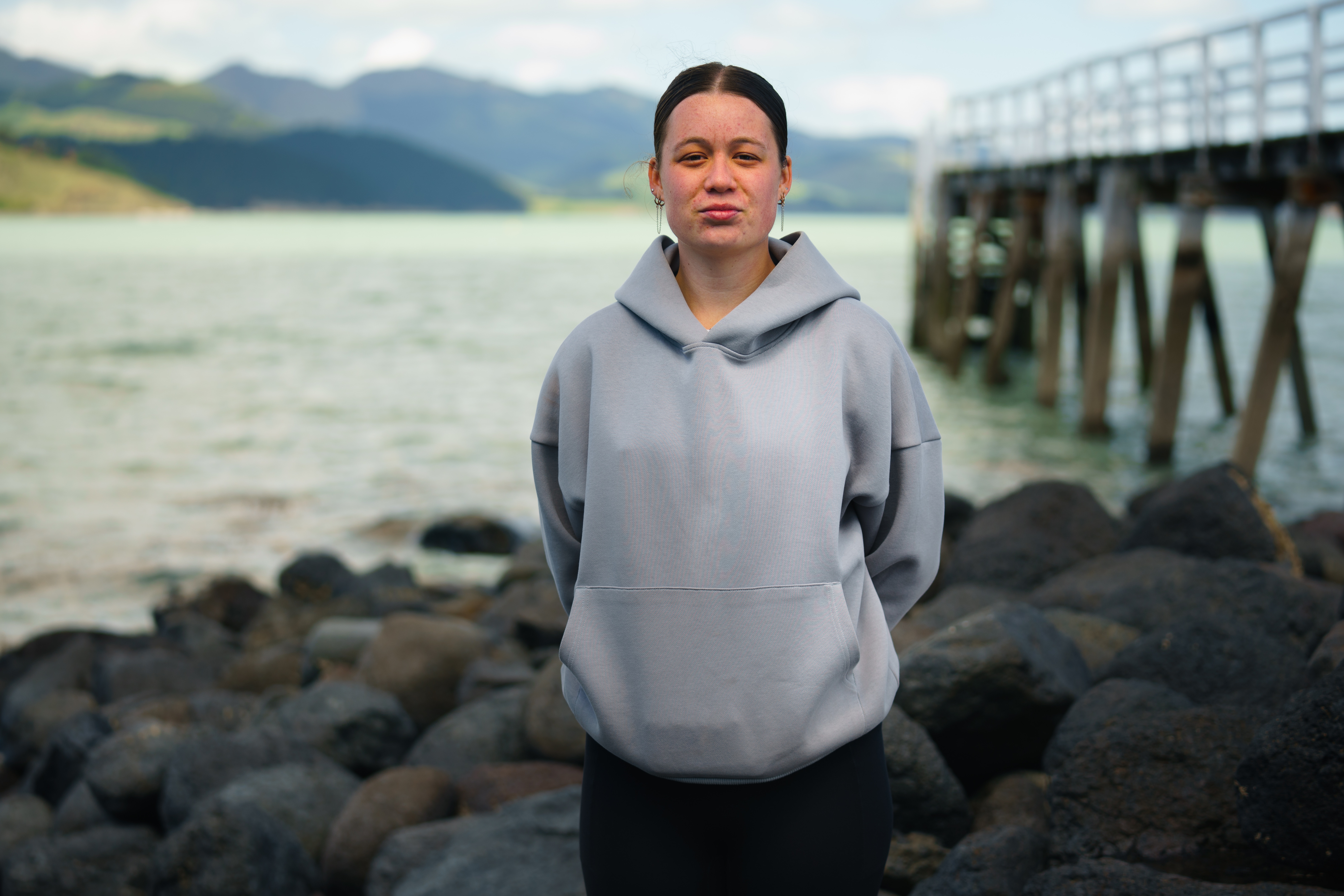
Matariki Tarena is Kāi Tahu (Ngai Tuāhurīrī, Kāti Huikai) and Te Ati Haunui-ā-Pāpārangi.
She has grown up in Ōtautahi, is a raukura of Te Kura Kaupapa Maori o Te Whānau Tahi and was one of the original pepi of the Kotahi Mano Kaika reo Maori playgroup – Te Puna Reo o Ngā Matariki.
Having grown up in te reo Māori, she is now studying towards a teaching qualification to share her passion for our reo and culture with rakatahi everywhere.
I grew up at Te Kura Kaupapa Māori o Te Whānau Tahi. I was there for 12 years of my school life. At a kura kaupapa things
are quite different. From year 0-13 all akoka in a kura kaupapa are taught in, and surrounded by te reo and tikaka Māori.
Learning academic subjects as well as uara and tikaka Maori was something we did every day.
I always remember the school environment feeling like a whānau, where everyone knew each other and relationships were based on aroha, and manaakitaka.
Connections between kaiako and akoka were strong and personal with teachers guiding students not only in learning but
also in life.
Te reo Māori was a natural thing, you would think and speak in te reo Māori. From doing karakia and waiata every morning, tikaka was always working alongside te reo Māori. This was everyday life.
Education here was a bit different compared to a kura auraki, but for me, I felt that kura kaupapa think about what really matters culturally and in education. The majority of kura tuatahi was still focused on te reo Māori. It was only up until tau 6 where you started doing English classes. Everyone could understand English and speak it to a certain degree, but it was the reading and especially the spelling that we focused on.
At tau 9 I moved schools and went to Cashmere High School. This was definitely a different experience because I liked kura kaupapa and I didn’t want to leave. When I went to Cashmere I was so overwhelmed by the size of the school and the English environment.
I had to take some English and math lessons before I went there because I had never been in an environment like that before – maths and science were like a different language that I just couldn’t understand and even though I wasn’t the best in maths and science I still did it, but when it came to culture and te reo Maori i was always at the top.
I never really understood or appreciated my upbringing in a kura kaupapa and my reo until I went to Cashmere. I realised that anyone can learn maths and science anywhere but learning the reo, tikaka and ahurea was something rare and not many people had
that opportunity.
I made the decision to go back to kura kaupapa at year 10 and stayed there for the rest of my schooling. Back at te Whānau Tahi we would be in classes like Pūtaiao, Pākarau, te reo Pākehā, te reo Rakatira, te ao haka, Hītori, Kōiri and Pūoro. These were our main classes
and we would also have classes like kapa haka and mau rākau every week. These classes were made relevant to our life and culture.
For example putaiao was focused on mātauraka Maori – things like māhika kai and māramataka – and we would also go out and practise these for ourselves.
All the learning we did at kura was not stuff you would learn just anywhere, it was hard to find but because you were at a kura kaupapa you were rich in cultural knowledge and practice.
As tau 13 we all had to do karaka and whaikōrero. This is something that freaked me out but I was glad I did it anyway because whenever we did kāraka and the boys did whaikōrero all the teina were looking up to us and the manuhiri were always staring with a smile on their face.
NCEA was something I found wasn’t too hard to do because before I even reached tau 11, I already had credits for all three senior
years because of our involvement in all sorts of kaupapa like kapa haka. All the teachers made sure we had the option of going to university whether we wanted to or not.
I am currently studying towards a BA at University of Canterbury. This is where I truly appreciated my kura kaupapa education because I got all these skills like public speaking, working under pressure, leadership skills and a whole lot of other mātauraka.
For as long as I can remember we always had to speak in front of people and always be prepared to do a mihi. So when it came to doing these things at university I had no issue with doing it.
When it came to essays and assignments I would always do them in te reo Māori. The reo was something I was confident in and grew up with so it was natural. English essays were academic but te reo Māori had this way of being both academic but also poetic and beautiful.
Even when doing presentations I would do it in Māori because I could add a mihi, tauparapara or something else to make it academic in a Pākeha view and a Maori view as well.
I am now in my third year of study and working as a kaiāwhina at Hillmorton High School. When it comes down to teaching the reo, I am in a comfortable environment and am confident in my reo. Te reo Māori and tikaka is what I grew up with so this environment is something I can relate to.
Even when telling some student off or being an encouraging teacher, it feels natural thanks to my upbringing. I am very glad and grateful for my kura kaupapa Māori education.
 Top
Top