Te Ao o Te Māori: a window into the rich lifestyles of contemporary Māori
Dec 18, 2025

Te Ao ō te Māori: a window into the rich lifestyles of contemporary maori
Photographs and words nā Phil Tumataroa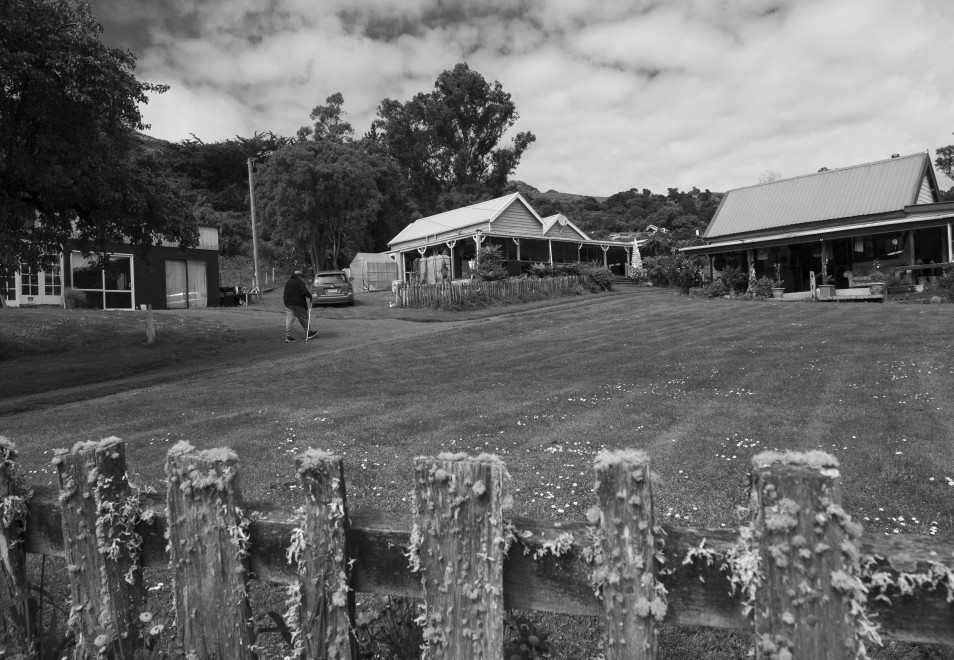
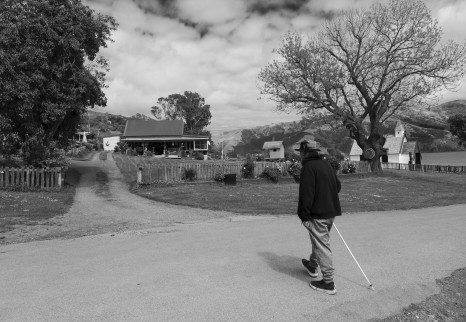 If you’re lucky enough to spend any time at Onuku, it’s highly likely you’ll bump into Bruce Rhodes …for the past 79 years the small Kāi Tahu kāik at the end of the road has been his home.
Bruce has lived in the whanau homestead across the road from the marae all his life. It’s where he was raised by his parents, Hilda and Ron, where he shared 50 years of marriage with his wife, Polly, and where his mother was raised by Bruce’s great-grandmother, Amiria
Puhirere Hokianga.
His daughter, Hilda, lives a few metres away in the former native school house just on the other side of the narrow dirt driveway wedged between the homestead and the diminutive Onuku Church.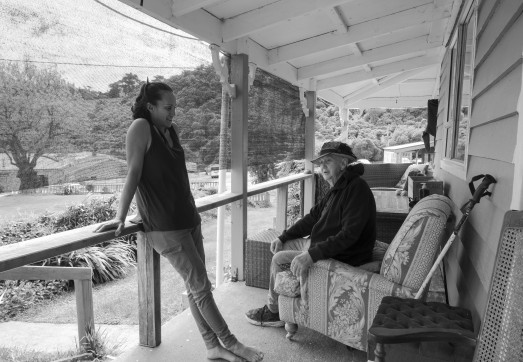
On the opposite side of the property lives his son Ron; Hilda’s two teenage children have their own space to the rear of the main
house. “I’ve been here from day one. I was born out here in Akaroa and I haven’t gone very far,” admits Bruce.
There was a stint working up north in his younger days placing concrete for a power company, but it wasn’t for long – the urge to be at home on his whenua was never far from his thoughts.
Bruce’s working life was mostly spent as a builder: 57 years working on Banks Peninsula for the various district councils and Fulton Hogan, much of that time building and maintaining the network of road bridges.
Today he still works most days; his official role at the marae is caretaker, but that humble title belies a lifetime dedicated to the care and protection of a place and people who call Onuku home.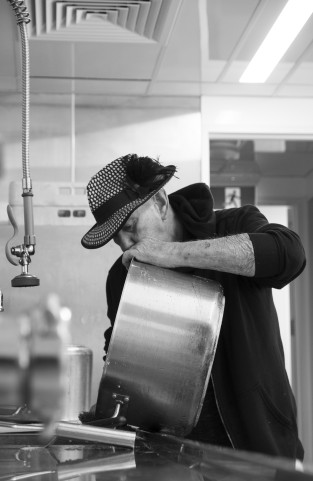
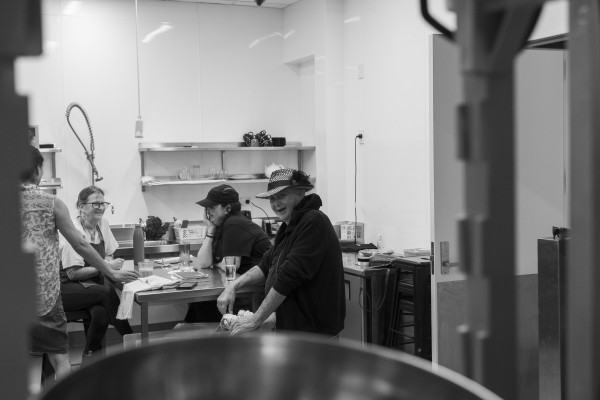
“In the 60s we started thinking about building a marae. The old people talked about it, about having a place to hold tangi. Back then they were always held in houses,” he says.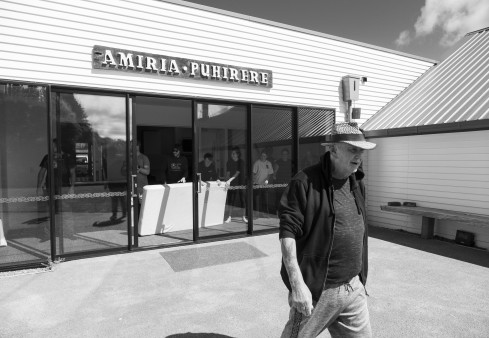
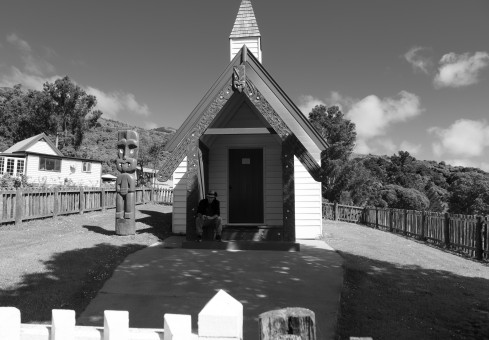
Whānau fundraised to buy seven acres to acquire the flat land where the marae sits today – the balance is steep and bush-clad on the other side of the fast-flowing creek. At first a hall was built utilising a structure intended for a shearing shed.
“It was enough to get us going, and although there was a lot wrong with it, it lasted for years until we could start on the marae we have today.”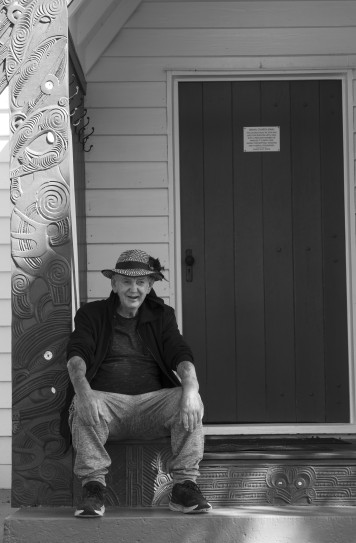
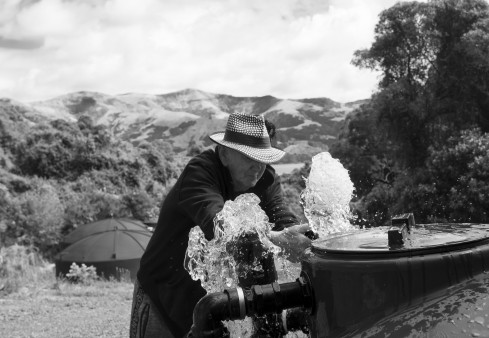
As Bruce reflects on the changes, he marks the incremental improvements by simple things such as having carpet on the floor, thick mattresses for manuhiri, and a reliable freshwater supply for the marae and the kāik.
“We’ve got a good team – we’ve always had a good team – that’s what’s important. They’re working hard behind the scenes, it’s what you want.
“You know, I’ve done my time. You need people to step forward and take these roles; we need ’em. The building does not function without the people – the home people keep the fires burning. “When they come across that bridge there, we’re all ready to go. The spuds are cooked, the bloody meat’s cooked and the watercress is in the pot. We’ve got the pae all ready, so just keep coming, you don’t have to do anything, all you have to do is bring your people on. “That’s the main thing: take leadership with your family and welcome them on to this place."
 Top
Top